


Plenty of businesses assume better production value means better ad performance. Meta's own creative research says something more useful than that: phone-shot video tends to win on ad recall and intent, while studio video tends to win on brand awareness. This guide breaks down what each style is actually good at, when to use which, and the mistakes that kill both.
High production value video is not a waste of money. A well-shot, well-lit, well-edited video makes a business look established and trustworthy.
But polish and performance are very different things when it comes to Meta campaigns.
Meta's own creative research is clear about this. In its guidance, Meta says both phone-shot video and professional studio video work, and then splits the difference by outcome: mobile shots tend to outperform studio shots for ad recall and intent, while studio shots tend to drive higher brand awareness. So the honest answer is not "UGC always wins." It is that the two styles are good at different jobs, and most businesses running Meta ads for leads or sales need the results that phone-shot video tends to do better.
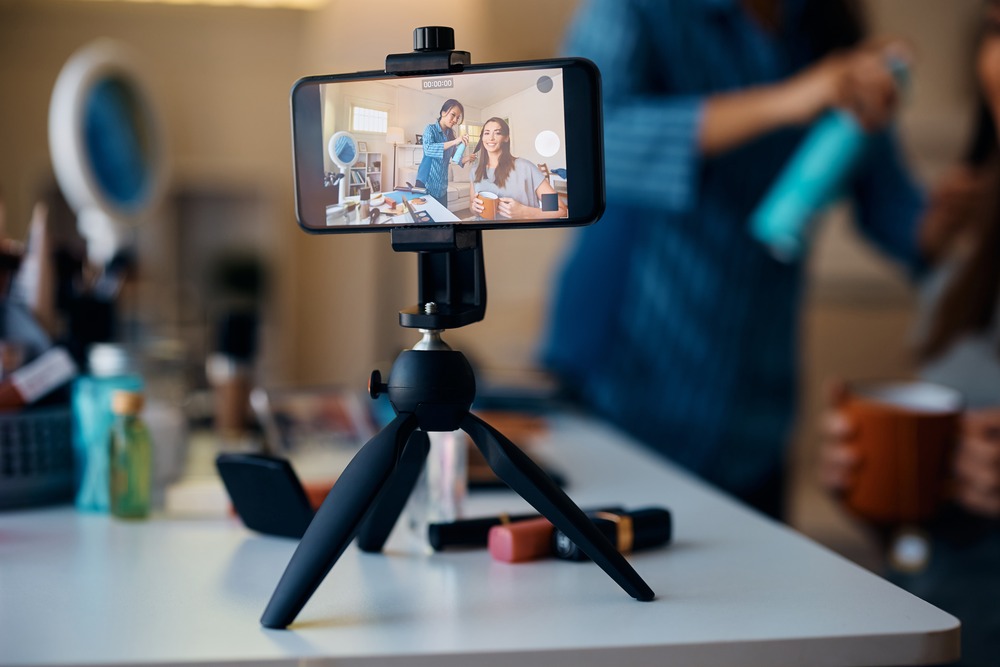
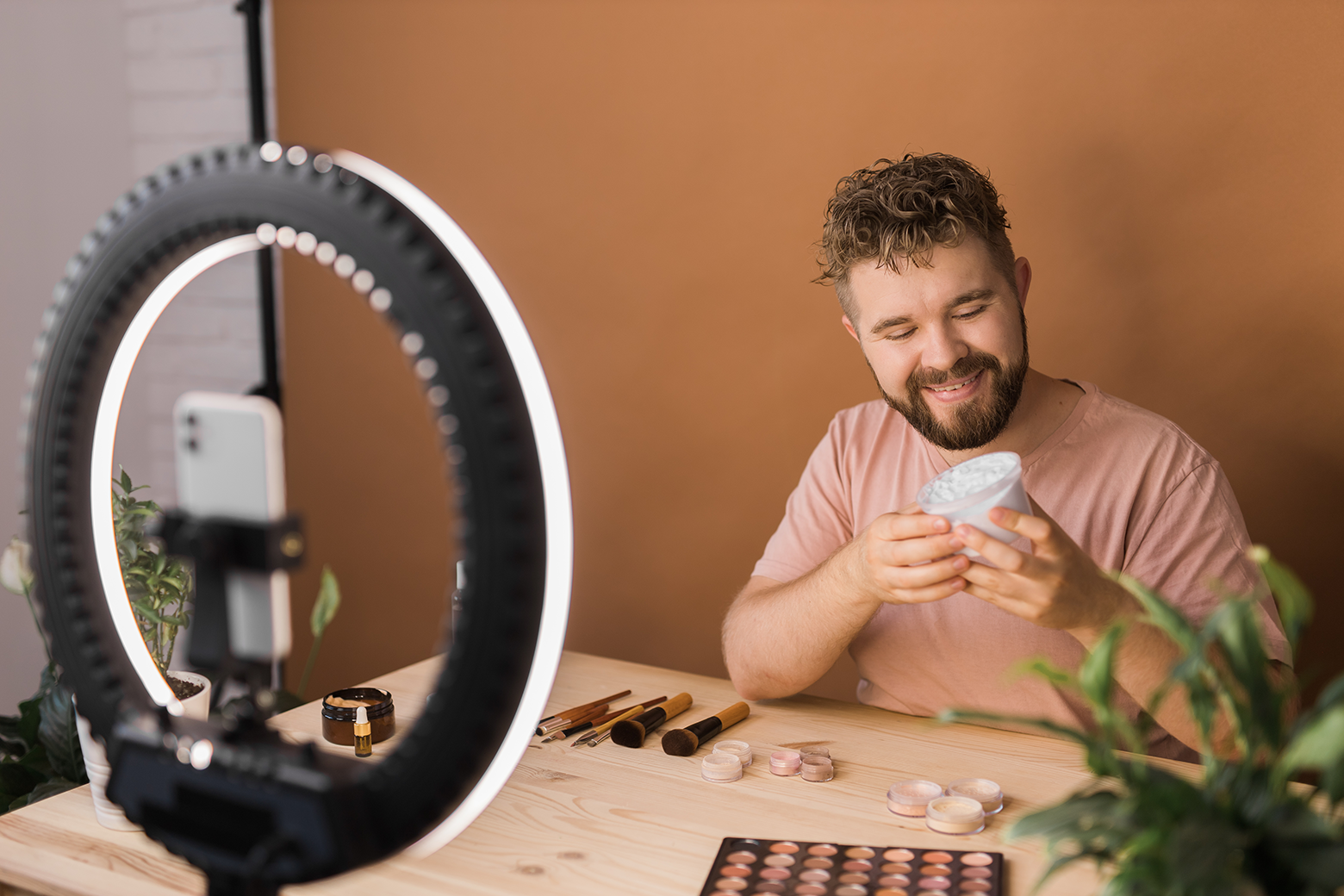
UGC stands for user-generated content. In advertising, "UGC-style" is a slight misnomer, because most of it is not made by actual users. It is made to look like it was. Think a real person talking straight into a phone camera, natural light, a kitchen or a truck cab or a job site in the background, on-screen captions, no music bed, no logo animation.
High-production-value video is at the opposite end of that scale. A crew, lighting, storyboard, locations, color grading, sound mixing, and more. The end result looks like an ad you'd see on TV.
Here's what Meta says works best:
That last point is often misinterpreted because "design for sound off" has been repeated so often that people now make silent ads on purpose. Captions matter, and you should always add them. But Meta's finding is that most ads with a voice-over or a music bed do better than ads with no audio.
There is also a decent amount of evidence that creative is where the leverage is in the first place. NCSolutions analyzed roughly 450 consumer packaged goods campaigns across TV and digital and found that creative accounts for about 49% of incremental sales, more than brand, targeting, reach, and recency combined. Their study is CPG-specific, so treat the exact number as directional. In our experience, the direction holds up in lead generation too: creative moves cost per lead more than almost any in-platform setting we can change.
Phone-shot creative tends to be the right starting point when:
There are real cases for spending on production:
We generally recommend advertisers earn their way into production spend rather than start there. Prove the message on low-cost creative, then pay to test a winner that looks more polished.
Most underperforming video ads fail for reasons that have nothing to do with how they were shot:
There's no single right formula, but here's a solid starting point: shoot three angles, like a price objection, speed-of-service promise, before-and-after, or customer story, and six interchangeable hooks. That gives you 18 videos to test. Start with 3 to 5, and let them gather meaningful data (50 to 100 conversions). Then pause the losers, introduce new variations to test, and create more versions of the winner. Repeat that process indefinitely.
Don't launch a new Meta campaign with a single video and nothing else. If it misses, you have burned your budget and learned only one thing: that particular video doesn't work.
If testing creative yourself feels overwhelming, our ad creative team can handle it for you.
Creative sets up the shot. The landing page has to sink it. If an ad promises a free in-home estimate this week, but the click lands on a corporate homepage that forces the user to hunt down a contact form, the creative did its job, but the opportunity was thrown away.
This is the most common place we see good ads go wrong. The ad gets great click-through rates, but the leads never arrive, and the ad takes the blame. Use a dedicated landing page, match the headline on the landing page to the promise in the ad, keep the form short and simple, and make the next step obvious. Our landing page and CRO work helps clients get better overall ad performance by optimizing what happens after the user clicks.
No. Founders, employees, and existing customers all work, and often work better because they know the product. Creators are worth considering when you need volume or a face your audience already knows and trusts.
In almost every case, yes. High-production video can cost anywhere from $5,000 per video to tens or even hundreds of thousands of dollars. By comparison, we include UGC-style scripting and editing with our Meta Ads, TikTok Ads, and LinkedIn Ads services.
Add captions either way, but do not deliberately make silent ads. Meta reports that most ads with voice-over or music outperform ads with no audio.
Long enough to clearly communicate your value. That might be 15 seconds or 120. Focus on the message, not the runtime.
You can, and it's better than nothing, but it may not be optimal if it was created for a different purpose. The best-performing ads are built for the platform and the campaign objective.
At Power Couch Media, we help businesses grow through expert Meta ads management, along with the ad creative and landing pages those campaigns need to perform. Whether you are already running ads or trying to figure out how to start, our team can help build a plan around your goals, industry, and budget. If you want to talk through your options, get in touch with a strategy specialist. We will answer questions, discuss possible approaches, and help you understand what may be the best fit for your business.


Social Media Is Not TV
Television has a captive audience. You can leave the room or mute it, but the ad keeps playing. That allows a TV ad time to build up to something, tell a story, land a joke, or spend air time to simply create a feeling around the brand.
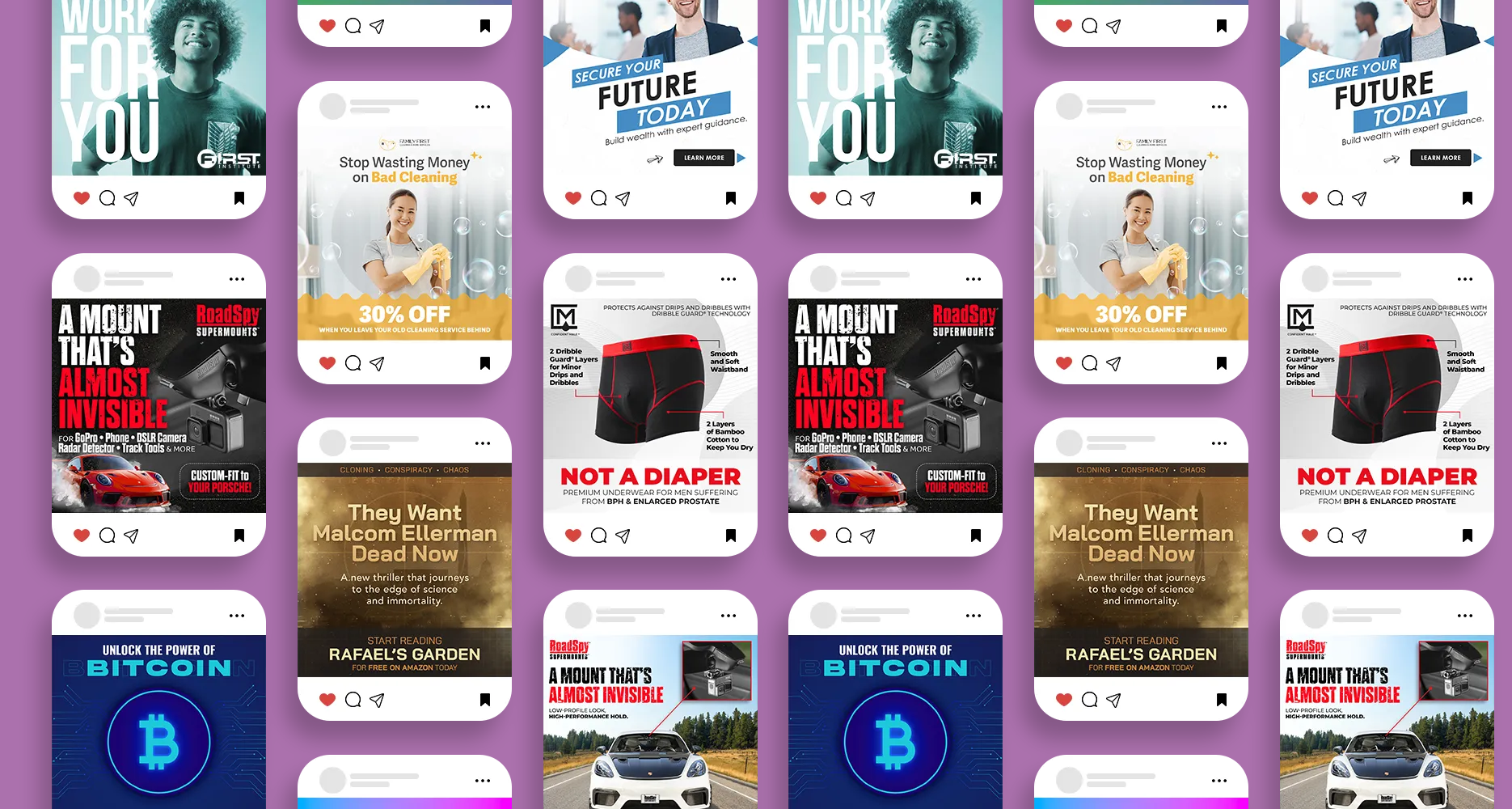
With social media, you don't get that luxury. People can scroll past in a quarter of a second, and they will.
Meta's own advice for video ads points in the same direction. It tells advertisers that audiences "want less picture-perfect imagery and more relatable storytelling," and suggests making video feel more organic by filming real people talking direct-to-camera, showing simple service demos, or borrowing the formats already showing up in Reels.
That is a fairly remarkable thing for the platform selling the ad space to say. It is telling advertisers that the expensive, polished version of their ad may be the reason it is being ignored.